
Digital Health + AI
Transforming IBD Care Through Digital Health and AI
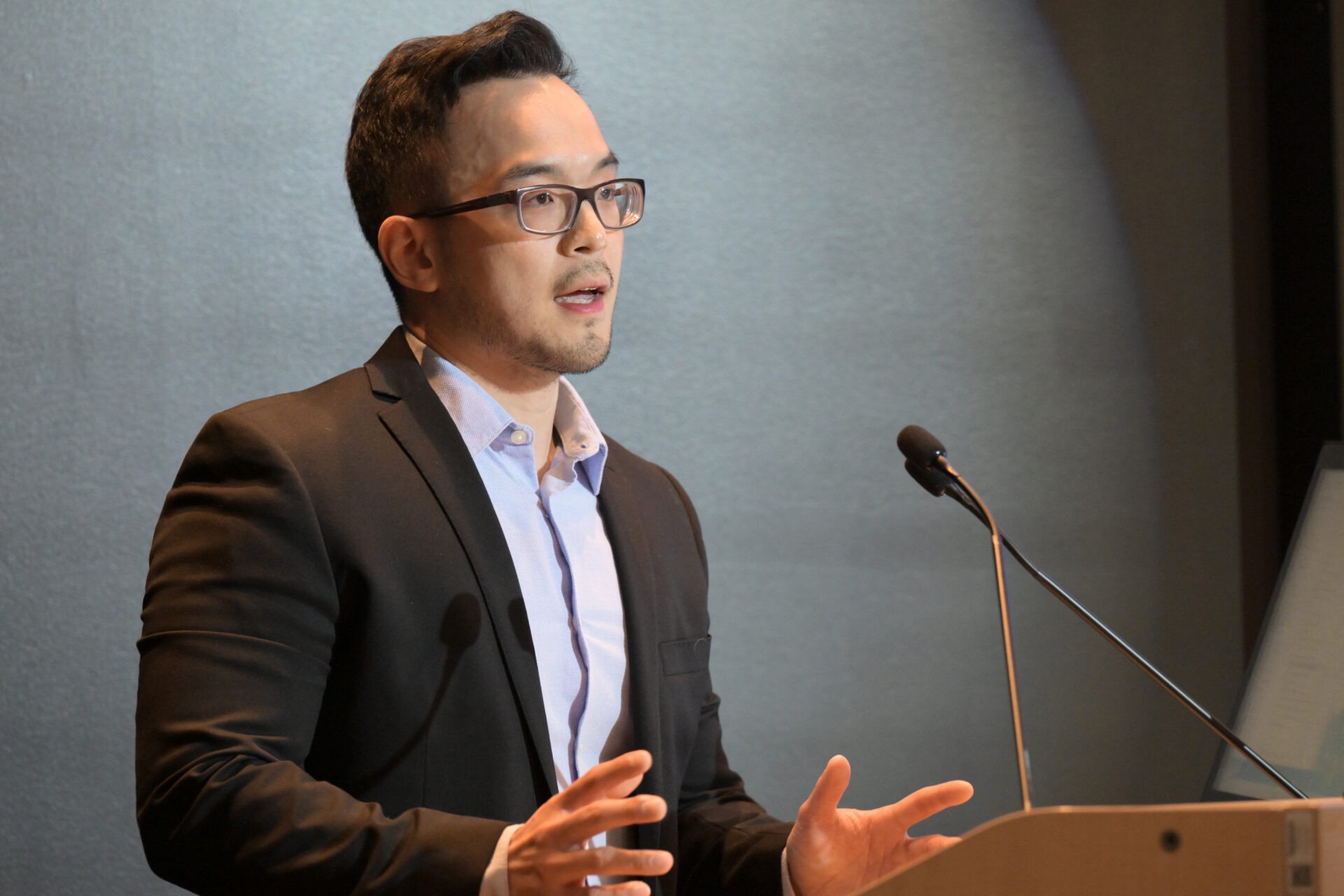
At the CHUM IBD Centre, we use digital health, data and artificial intelligence to develop new approaches to inflammatory bowel disease (IBD) care. Led by Dr. Jeremy Liu, an expert in data analysis and management, our team is exploring how technology can help us better understand disease patterns, improve treatment and enhance patient care.
By combining healthcare registries with AI-powered analytics, we can examine patient trends, clinical data and key performance indicators to identify opportunities for improvement. Working with data strategists and scientists, we are developing practical tools designed to support more personalized, proactive and data-driven IBD care.
Novel IBD registries
At the core of our vision for innovative IBD care is the integration of diverse data sources into a unified platform. This includes administrative data, clinical notes from electronic health records, pharmacy records, laboratory results, plus endoscopy, radiology and pathology reports. This dynamic system will help to provide a holistic view of patient health while enabling advanced data analysis to identify trends, correlations and unmet needs in IBD care.
By leveraging comprehensive data and analytics, we are optimizing treatment and research strategies while driving personalized medicine forward. This will ultimately lay the groundwork for recruiting, following and studying specific IBD cohorts of interest, helping us address the gaps that remain in our understanding of the disease.
Real-time quality dashboards to improve care
We believe better data leads to better care. That’s why we’ve built interactive dashboards that track key quality indicators, including treatment outcomes, hospitalization rates, emergency department visits and timely access to surgical intervention. These tools help our clinical teams quickly see what’s working, what’s not and where we can do better. With regular access to performance metrics, we can adjust our approach and ensure every patient gets the highest standard of care.
AI-driven insights and predictive analytics for personalized care
Artificial intelligence is opening the door to a new era of individualized IBD care. By analyzing longitudinal patient data, AI and machine learning have the potential to detect patterns that humans might miss, such as early signs of a flare, treatment response or risk of complications. As these tools continue to evolve, our goal is to integrate them into care plans that are tailored to each person and adapt as their condition changes. We are committed to bringing the next generation of proactive, responsive and truly personalized IBD care to our patients.
Unlocking insights with natural language processing
Clinical notes and patient conversations contain valuable information, but much of it exists in unstructured text. We’re exploring natural language processing (NLP) to help unlock these insights. By analyzing free-text records, NLP can help organize important information, identify patterns in symptoms, track treatment adherence and deepen our understanding of patient outcomes. These insights could support more informed clinical decisions and help ensure important details are not overlooked in the care process.

From predictive diagnostics to personalized treatment pathways, innovation and AI are transforming what’s possible for people living with IBD.